Architecture · Emilia-Romagna
Communal Granary Buildings in the Medieval Towns of Emilia-Romagna
How civic authorities in Bologna, Modena, and Ferrara built and managed communal grain reserves from the 12th century onwards.
Italy · Grain Heritage Archive
A reference archive on communal granary buildings, traditional grain storage systems, and the cereal food heritage that shaped rural Italy from the medieval period through the modern era.

Featured Articles
Three in-depth looks at granary construction traditions, underground vault design, and the ancient grains still cultivated in the Italian highlands today.
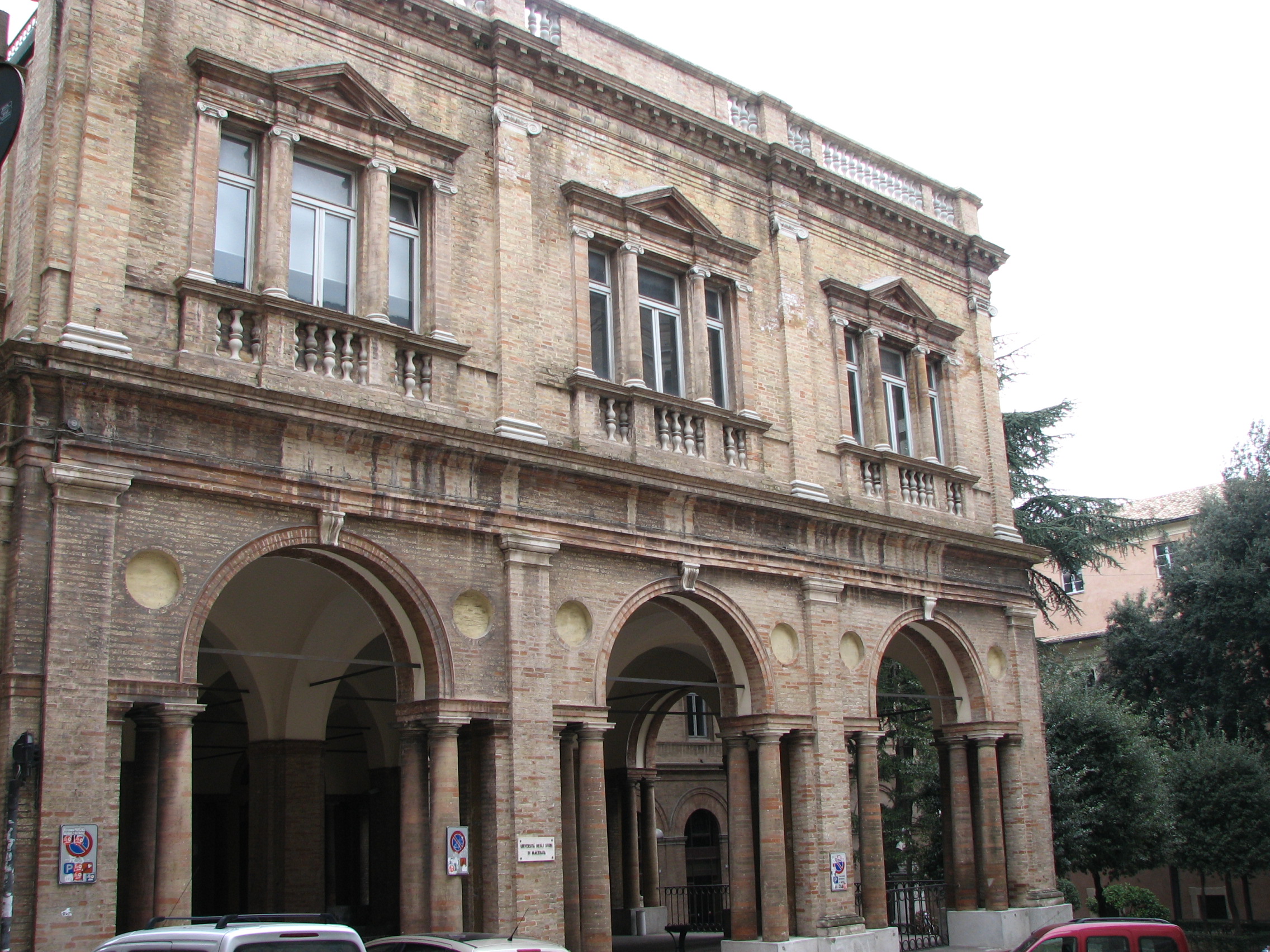
Architecture · Emilia-Romagna
How civic authorities in Bologna, Modena, and Ferrara built and managed communal grain reserves from the 12th century onwards.

Engineering · Southern Italy
The underground grain pits of Puglia and Basilicata represent a sophisticated response to the problem of long-term cereal preservation without refrigeration.

Agriculture · Italian Highlands
Farro grande, farro piccolo, and the forgotten grains of the Apennines – how traditional cultivation persisted through the 20th century.
Before modern commodity markets, the public granary was a political instrument. In 13th-century Bologna, the Comune held grain reserves that could stabilise food prices during harvest failures. The buildings that housed those reserves still stand – repurposed as markets, libraries, and exhibition halls – and their proportions reveal just how central grain was to urban planning.
Read the articleUnderground Heritage
Across the Murge plateau, thousands of conical underground chambers known as fogge were excavated directly into the calcarenite rock. Their tapered profile was not decorative – it created the pressure differential needed to push moist air upward and out through a small vent at the top. Some chambers held 200 tonnes of wheat for two years without spoilage.
Read the full account
Key figures
Emmer wheat — farro medio — never disappeared from the Garfagnana valley in Tuscany. It was simply overlooked. A Protected Geographical Indication (PGI) granted in 1996 drew attention back to a grain that had been cultivated in the same valley for at least two millennia. The story of Italian highland cereals is not one of rediscovery but of quiet continuity.
Read the articleThis archive is maintained by a small editorial team based in Bologna. Corrections, additions, and primary sources are always welcome.
Contact the archive